
The Music of Assam – Where Rhythm Meets the River
Assam, often called the cultural heart of Northeast India, is a land where music flows as naturally as its rivers. Rooted in tradition and enriched by diverse ethnic communities, the music of Assam reflects the soul of its people. From the rhythmic beats of the dhol during Bihu to the spiritual chants of Sattriya culture and the rising wave of modern fusion, Assamese music bridges the past with the present. Whether you’re a traveler seeking authentic experiences, a culture enthusiast, or simply a lover of melodies, exploring the music of Assam opens a window to its traditions, history, and vibrant way of life.
Highlights of Assam’s Music
🎶
Bihu Songs – Joyful folk music celebrating love, nature, and harvest.
🪕
Sattriya Music – Spiritual and devotional compositions from Vaishnavite monasteries.
🥁
Unique Folk Instruments – Dhol, pepa, gogona, toka, and more.
🎤
Modern Assamese Music – Fusion of traditional sounds with contemporary styles.
🌏
Cultural Diversity – Musical traditions of various tribes like Karbi, Dimasa, and Bodo.
Bihu Songs – The Heartbeat of Assam
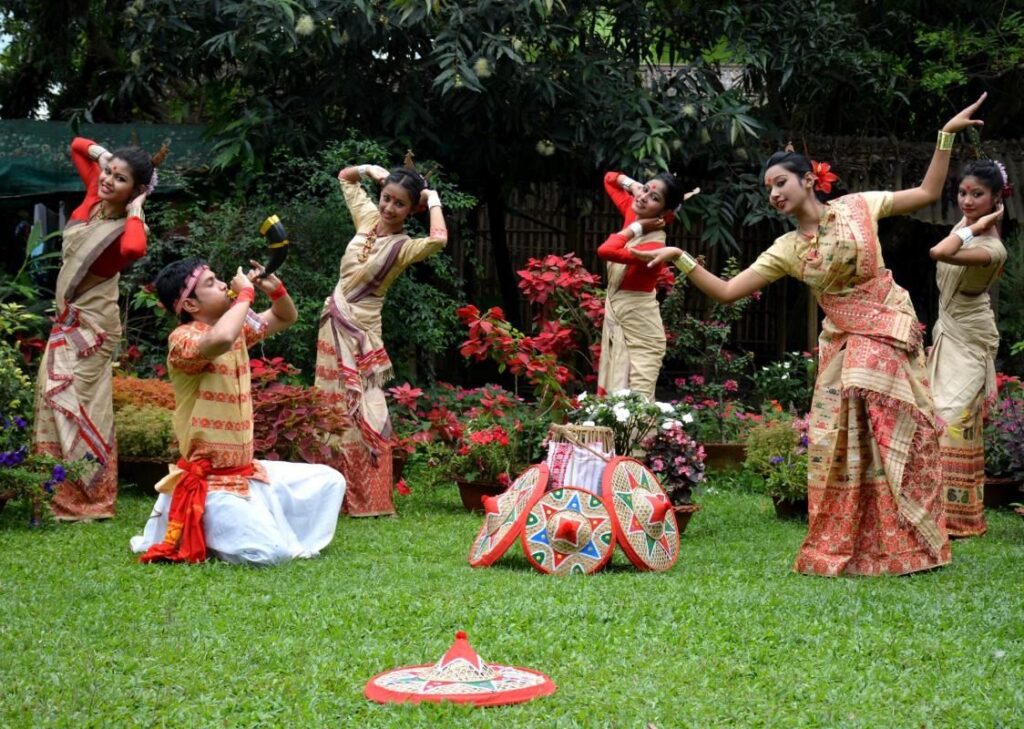
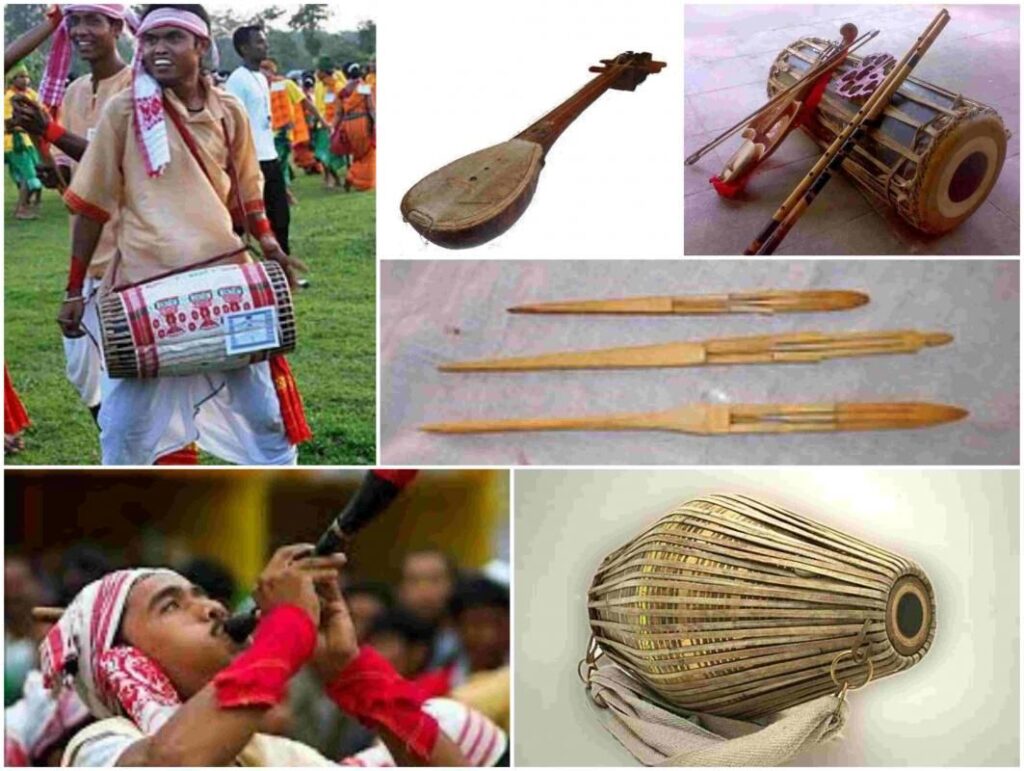
The music of Bihu is perhaps the most recognizable symbol of Assamese culture. Performed during the Bihu festival, these songs express themes of love, youth, and the beauty of nature. The dhol (drum), pepa (buffalo horn pipe), and gogona (bamboo instrument) create energetic rhythms that accompany graceful dances. Bihu songs are deeply connected to the agricultural cycle, celebrating sowing, harvest, and the joy of community. For travelers, experiencing live Bihu performances offers an authentic glimpse into Assam’s festive spirit and traditions.
Sattriya Music – Spiritual & Classical Traditions
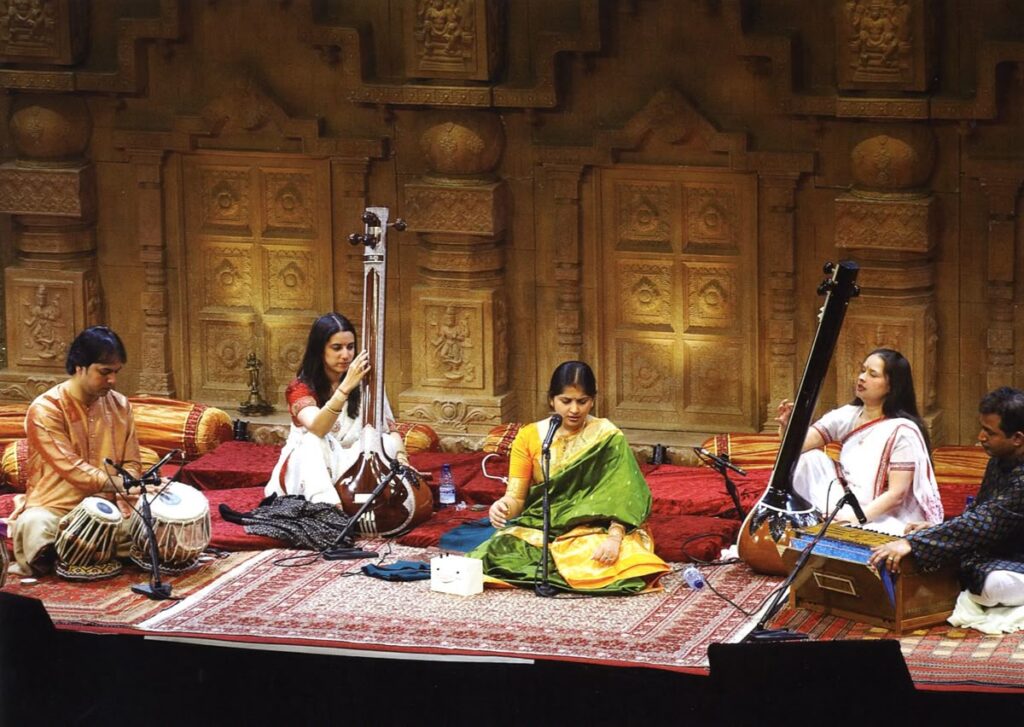
Born in the 15th century with the Vaishnavite reformer Srimanta Sankardeva, Sattriya music is an integral part of Assamese spirituality. Performed in Satras (monastic institutions), this devotional music is accompanied by instruments like khol (drum), taal (cymbals), and flute. The compositions, often based on stories from the Bhagavata and Ramayana, are meditative and soulful. Recognized as one of India’s classical traditions, Sattriya music not only preserves Assam’s spiritual heritage but also provides travelers with a unique cultural experience unlike anywhere else in Northeast India.
Folk Music of Assam’s Tribes
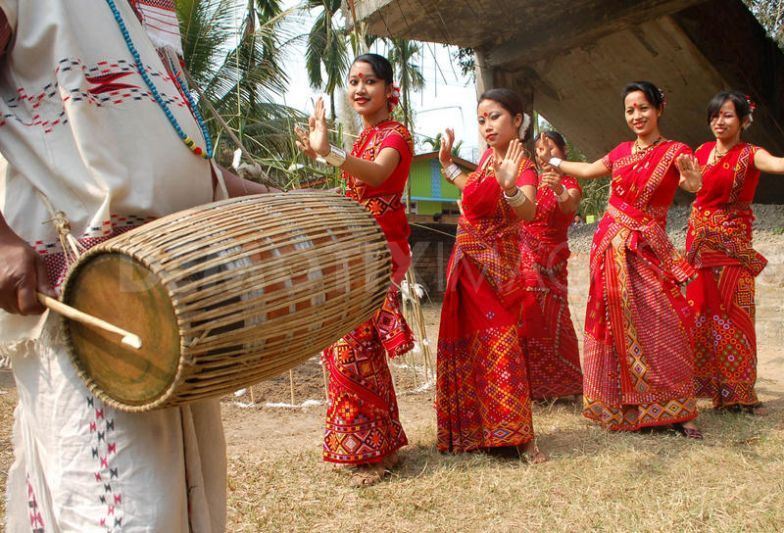
Assam is home to diverse ethnic groups, each contributing unique folk traditions. The Bodos are known for their Bagurumba songs, blending natural themes with rhythmic patterns. The Karbis, Mishings, and Dimasas have their own folk songs that narrate tales of everyday life, love, and rituals. Traditional instruments crafted from bamboo, wood, and animal horns add distinct textures to these melodies. Listening to tribal folk music connects travelers to Assam’s grassroots culture, where traditions are preserved through generations.
Modern Assamese Music & Fusion
While deeply rooted in tradition, Assamese music continues to evolve. Contemporary artists blend Bihu rhythms and folk instruments with rock, pop, and electronic sounds, creating a fresh identity for Assam on the global stage. Popular Assamese singers and bands have introduced local music to wider audiences, keeping traditions alive while appealing to younger generations. This fusion ensures that the music of Assam remains dynamic—respecting its past yet embracing innovation. For visitors, attending a modern Assamese concert or festival provides a different yet equally vibrant perspective on the region’s musical spirit.
Instruments That Define Assamese Music
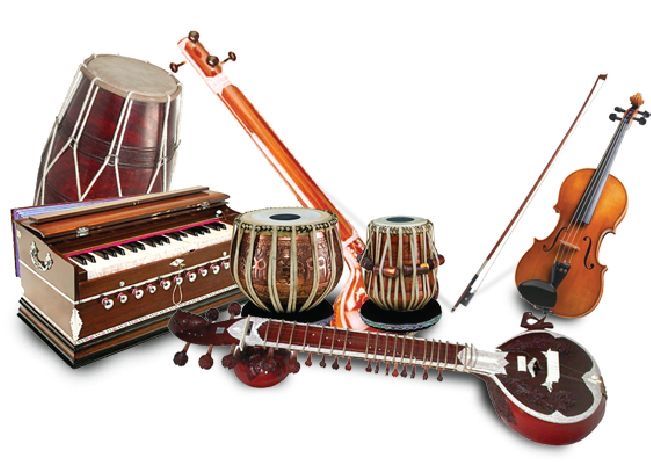
The charm of Assam’s music lies in its instruments, many handcrafted from natural materials. The dhol drives the rhythm, while the pepa, made from buffalo horn, adds a festive sound. The gogona, a bamboo reed instrument, is often played by women during Bihu. Other instruments include the toka (percussion), banhi (flute), and xutuli (terracotta whistle). These instruments are not just tools of music but symbols of Assamese identity, each carrying centuries of tradition.
FAQs about Music of Assam
Q1. What is the most popular form of music in Assam?
Bihu songs are the most popular and widely recognized form, performed during festivals and celebrations across the state.
Q2. Is Sattriya music still performed today?
Yes, Sattriya music continues to thrive in Satras and has also gained recognition as a classical tradition performed on global stages.
Q3. Which instruments are unique to Assamese music?
The dhol, pepa, gogona, toka, and xutuli are some of the most distinctive traditional instruments.
Q4. Do tribal communities in Assam have their own music?
Yes, tribes like the Bodo, Karbi, Dimasa, and Mishing each have distinct folk traditions reflecting their lifestyle and beliefs.
Q5. Can travelers experience Assamese music live?
Absolutely! From Bihu festivals to cultural programs in Satras and modern concerts in cities, live Assamese music is widely accessible.
Q6. How is modern Assamese music evolving?
Artists are blending traditional instruments and rhythms with global genres like rock, pop, and electronic, making Assamese music more contemporary.
The music of Assam is more than entertainment—it’s a living tradition that captures the state’s soul.
From the joyous beats of Bihu to the devotional strains of Sattriya and the experimental energy of modern fusion, music here tells stories of people, culture, and nature. For travelers, immersing in Assamese music means connecting with authentic traditions while witnessing how they continue to evolve.
🎧 Plan Your Assam Music Journey