
The Taste of Assam – Where Land Meets Ladle
Food in Assam is more than just nourishment—it is a reflection of the state’s culture, traditions, and way of life. Rooted in freshness, simplicity, and authenticity, Assamese cuisine combines rice, fish, meat, and an array of herbs to create soulful meals. Each dish is deeply connected to the land, influenced by the Brahmaputra’s fertile plains and the diverse ethnic communities of Northeast India. Whether it’s the tangy tenga (sour fish curry), smoky bamboo shoot dishes, or the sweet pithas prepared during Bihu, Assamese food is a journey into the heart of its people. For travelers, discovering Assamese cuisine is an essential part of experiencing the region’s authentic culture.
Highlights of Assamese Cuisine
🍚
Rice as the Staple – A variety of rice forms the foundation of meals.
🐟
Love for Fish & Meat – Freshwater fish and meats like duck, pigeon, and pork.
🌿
Use of Local Herbs – Minimal spices, maximum natural flavors.
🍲
Unique Cooking Methods – Fermentation, steaming, and bamboo cooking.
🥟
Festive Foods – Pithas, larus, and other delicacies during Bihu.
🌏
Cultural Diversity – Tribal and regional dishes add richness.
Rice – The Heart of Assamese Meals
Rice is the soul of Assamese cuisine, grown in abundance across the fertile valleys of the Brahmaputra. From everyday steamed rice to sticky rice varieties, it accompanies nearly every meal. Traditional rice preparations like sira (flattened rice) and komal saul (soft rice eaten without cooking) are unique to Assamese households. During Bihu, rice transforms into festive delights such as pitha (rice cakes) and laru (sweet balls). For travelers, enjoying these rice-based dishes is a delicious way to understand how deeply ingrained rice is in Assamese life and culture.

Fish & Meat Dishes – Rich & Flavorful
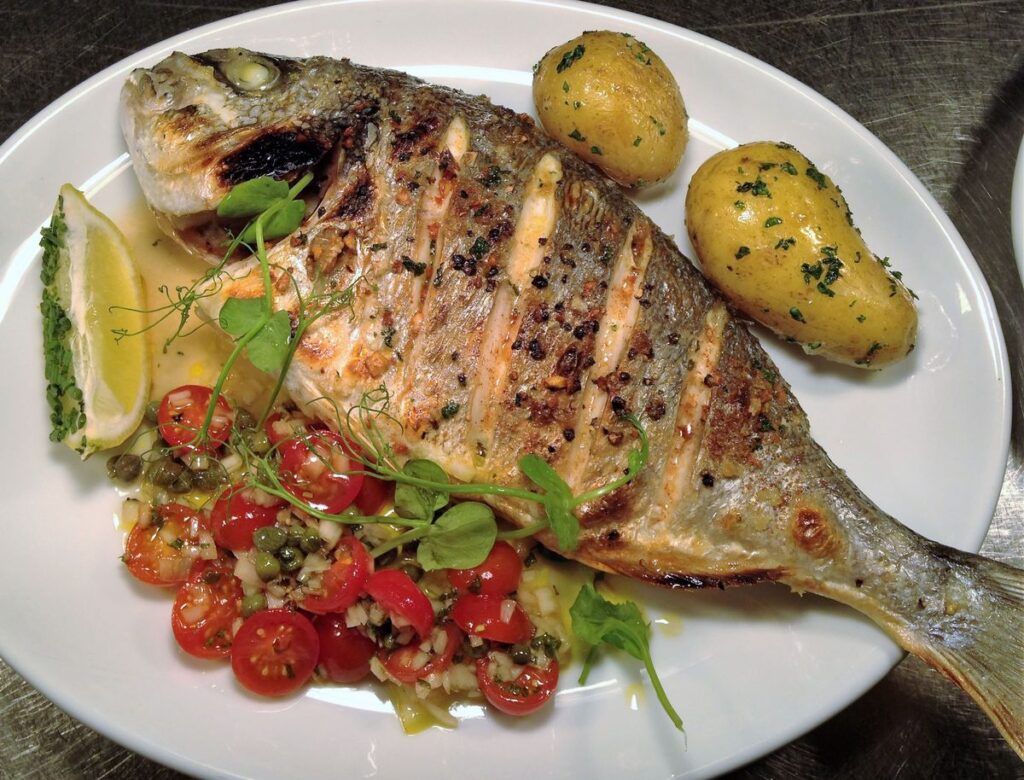
Assam’s rivers and wetlands make fish a staple protein, especially freshwater varieties like borali, rou, and magur. The most iconic dish is Masor Tenga, a tangy fish curry cooked with tomatoes, lemon, or elephant apple. Meat also plays a key role, with duck, pigeon, chicken, and pork prepared in both traditional and tribal styles. Assamese meat dishes often feature bamboo shoots, sesame seeds, or mustard for earthy flavors. The simplicity of spices ensures that the natural taste of fish and meat shines through, making these dishes authentic and comforting.
Bamboo Shoots & Fermented Flavors
One of the most distinctive aspects of Assamese cuisine is its use of bamboo shoots and fermented ingredients. Bamboo adds a smoky, slightly tangy flavor and is often combined with pork or fish. Fermented fish (ngari), black sesame, and dried herbs also feature in tribal cooking. These flavors may feel adventurous to first-time travelers, but they are an essential part of experiencing Assam’s culinary identity. For food explorers, sampling bamboo and fermented dishes offers an authentic taste of the region’s diversity.

Festive Foods & Sweets
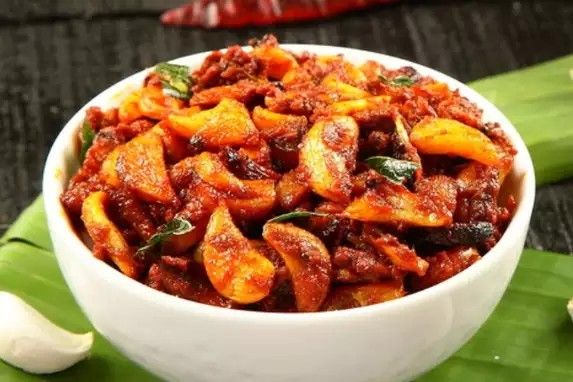
Festivals in Assam, especially Bihu, bring out an array of traditional sweets and snacks. Rice-based pithas (like til pitha stuffed with sesame and jaggery) and larus (sweet balls made of coconut, sesame, or rice powder) are household favorites. Other specialties include doi-chira (curd with flattened rice) and payas (rice pudding). These festive foods are not just delicious—they embody the warmth of Assamese hospitality. Sharing these sweets during Bihu is a tradition that unites families and communities, making it a memorable experience for visitors.
Tribal & Regional Specialties
Beyond mainstream Assamese dishes, the state’s tribal communities offer a wealth of unique flavors. The Bodos prepare pork with rice powder and herbs, while the Mishings are known for their apong (rice beer) and smoked fish. Karbi and Dimasa cuisines highlight bamboo and fiery local peppers. Each community adds its own touch, enriching Assam’s culinary landscape. For travelers, exploring these tribal cuisines offers a deeper understanding of the cultural diversity that defines Assam and Northeast India.
FAQs about Assamese Cuisine
Q1. What is the staple food of Assam?
Rice is the staple, served with fish, meat, or vegetable curries. It also appears in sweets like pitha and laru.
Q2. Is Assamese cuisine very spicy?
No, Assamese food is generally mild, focusing on natural flavors and light use of spices compared to other Indian cuisines.
Q3. What are some must-try dishes for travelers?
Masor Tenga (sour fish curry), duck with sesame, bamboo shoot pork, and til pitha are highly recommended.
Q4. Do vegetarians have options in Assamese cuisine?
Yes, many dishes are vegetarian, such as dal with herbs, khar (alkaline dish), aloo pitika (mashed potato), and seasonal greens.
Q5. What makes Assamese food unique?
Its simplicity, use of fresh local produce, minimal spices, and cultural diversity make it distinct and authentic.
Q6. Can tourists try traditional food in homestays?
Absolutely! Many Assamese homestays and eco-lodges serve authentic home-cooked meals, giving travelers a true taste of local culture.
Assamese cuisine is not just food—it is a cultural journey that connects travelers to the state’s traditions and people.
From the comforting flavors of rice and fish curries to the festive joy of pithas and larus, every dish carries a story of authenticity. For anyone visiting Assam, indulging in its cuisine is as important as exploring its landscapes or festivals.
🍽️ Plan Your Assam Food Journey