
Tribal Communities of Assam – Where Heritage Lives
Assam, the heart of Northeast India, is home to a vibrant tapestry of tribal communities whose traditions, customs, and lifestyles reflect centuries of harmony with nature. More than 15% of the state’s population belongs to various indigenous tribes, each contributing to Assam’s cultural richness. From unique festivals and folk music to distinctive attire and cuisines, the tribal way of life offers travelers an authentic experience of diversity and resilience. Exploring these communities is not just about witnessing traditions—it is about understanding the living heritage that continues to shape Assam’s identity.
Highlights of Assam’s Tribal Communities
🌏
Over 20 Indigenous Groups preserving ancient traditions.
🎶
Rich Folk Music & Dance like Bihu, Bagurumba, and Jhumur.
🍲
Distinct Cuisine rooted in organic farming and local produce.
🎉
Colorful Festivals celebrating harvests, nature, and spirituality.
🏞️
Close Bond with Nature reflected in sustainable lifestyles.
🧵
Handloom & Handicrafts showcasing authentic Assamese artistry.
Bodos – The Largest Plains Tribe
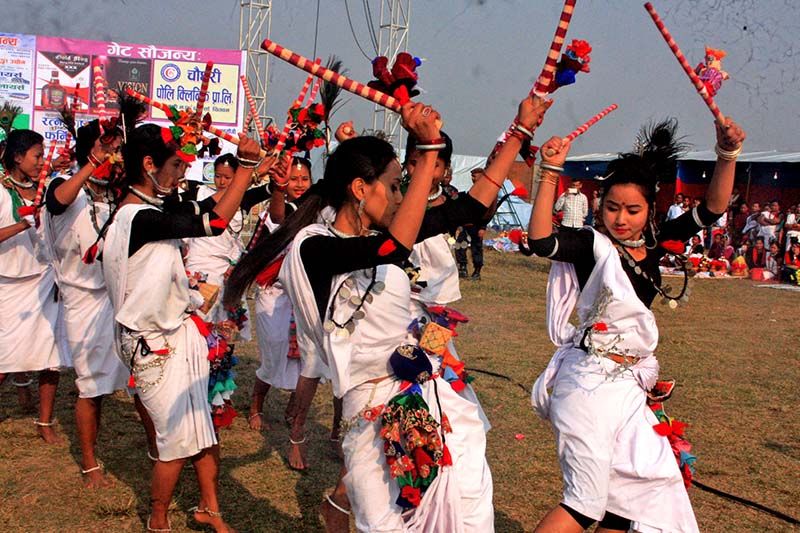
The Bodo community, one of the earliest settlers of Assam, forms the largest tribal group in the state. They are known for their vibrant dance forms like Bagurumba, performed during the spring festival Bwisagu. The Bodos have a strong agrarian base, cultivating rice, mustard, and vegetables, while weaving colorful handlooms that are part of everyday attire. Their cuisine is simple yet flavorful, often featuring rice-based dishes, fish, and pork. For travelers, experiencing Bodo culture offers insights into Assam’s traditions rooted in nature and celebration.
Misings – Life by the River
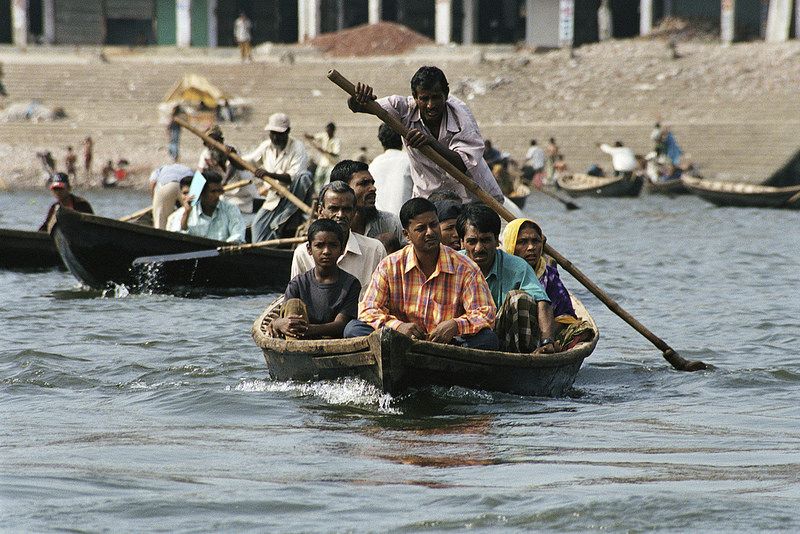
The Mising tribe, primarily settled along the banks of the Brahmaputra, reflects a close connection to rivers and agriculture. Known for their stilt houses called chang ghars, they adapt ingeniously to the flood-prone plains. The Misings celebrate Ali Ai Ligang, a festival dedicated to agriculture, with music, dance, and feasting. Weaving is a significant part of their culture, producing exquisite ege (wraps) and gasor cloths. Visitors to Mising villages can experience authentic rural life, taste traditional rice beer, and enjoy the warm hospitality of the community.
Karbis – Guardians of the Hills
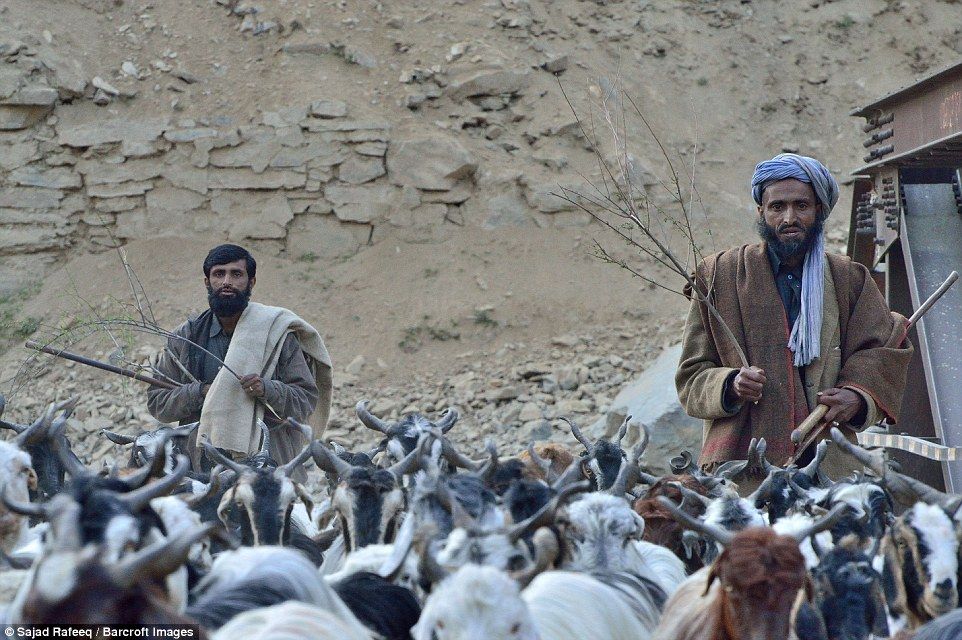
The Karbis, inhabiting the hills of Karbi Anglong, are known for their unique traditions and festivals. Their traditional attire, decorated with handwoven fabrics and ornaments, reflects their distinct cultural identity. Agriculture, particularly jhum or shifting cultivation, plays a central role in their economy. The Rongker and Chomangkan festivals highlight their rich spiritual practices and community bonding. For travelers, a visit to Karbi villages means exploring hilly landscapes, vibrant folklore, and authentic tribal traditions that remain untouched by modern influence.
Dimasas – Ancient Heritage Keepers
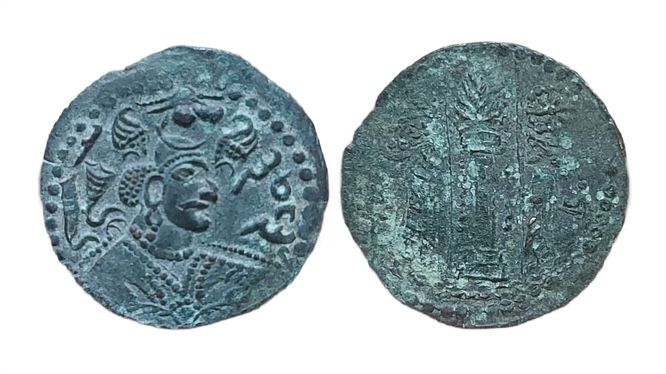
The Dimasa tribe, with roots tracing back to ancient Assam kingdoms, is among the most historically significant communities. Predominantly settled in Dima Hasao district, they are known for their unique language, traditional attire, and cultural festivals. Bushu Dima is their most important festival, marked by community feasts and dance. The Dimasas’ cuisine features rice, bamboo shoots, and fish, highlighting their connection to natural produce. Exploring Dimasa culture allows travelers to understand Assam’s deep historical roots and the continuity of indigenous traditions.
Other Tribal Communities
Assam is also home to several other tribes, each adding depth to its cultural mosaic. The Rabhas are known for their folk dances and forest-based lifestyle, while the Tiwas celebrate the colorful Jonbeel Mela, an age-old barter fair. The Deoris, closely associated with the Bodos, contribute to Assam’s spiritual heritage with traditional rituals. Each community, whether small or large, embodies the authentic spirit of Assamese culture through its festivals, crafts, and way of life.
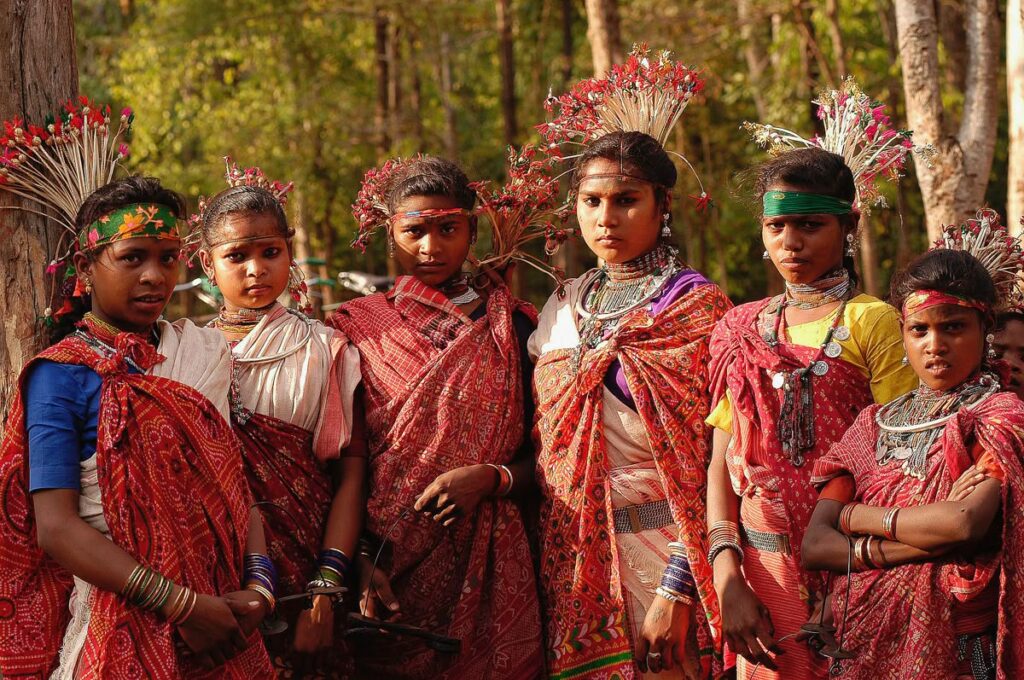
FAQs about Tribal Communities of Assam
Q1. How many tribal communities are there in Assam?
Assam is home to over 20 major tribes, including Bodos, Misings, Karbis, Dimasas, Rabhas, and Tiwas.
Q2. What is special about Assam’s tribal culture?
It is deeply connected to nature, featuring unique festivals, handlooms, dances, and cuisines that enrich Assamese identity.
Q3. Which is the largest tribal community in Assam?
The Bodos are the largest plains tribe, with a strong cultural and political presence in the state.
Q4. Can travelers visit tribal villages in Assam?
Yes, many villages welcome visitors, offering cultural tours, homestays, and festival experiences.
Q5. What role do festivals play in tribal life?
Festivals mark agricultural cycles, nature worship, and community bonding, celebrated with music, dance, and feasts.
Q6. How are tribal communities contributing to Assamese tourism?
Through cultural festivals, handlooms, handicrafts, and eco-tourism initiatives that offer authentic experiences.
The tribal communities of Assam are not just part of its past—they are vibrant, living cultures shaping the present and future.
Exploring their traditions, festivals, crafts, and cuisine allows travelers to experience the authentic soul of Northeast India. A journey into Assam’s tribal heartlands is an opportunity to connect with people who live in harmony with nature and proudly preserve their heritage.
🌍 Plan Your Tribal Heritage Journey