
The Economy & Agriculture of Assam – Where Land Feeds Life
Assam, the gateway to Northeast India, is not only known for its natural beauty and rich culture but also for its strong agricultural and economic backbone. The state’s fertile plains, abundant rainfall, and river systems make it one of India’s most productive agricultural regions. Tea, rice, oil, and silk drive the economy, while emerging industries like tourism and handicrafts add diversity. Agriculture forms the livelihood of the majority of Assam’s population, blending traditional practices with modern growth. For travelers, exploring Assam’s economy and agriculture provides deeper insight into the authentic way of life and cultural identity of its people.
Highlights of Assam’s Economy & Agriculture
🍵
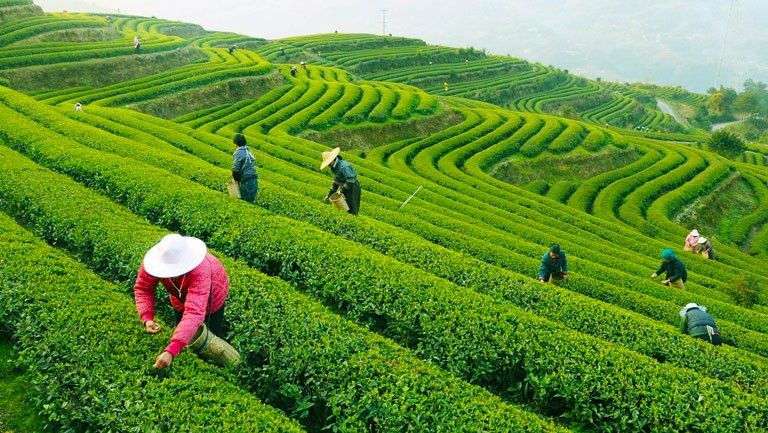
World Leader in Tea Production – Assam is the largest tea-growing region in India.
🌾
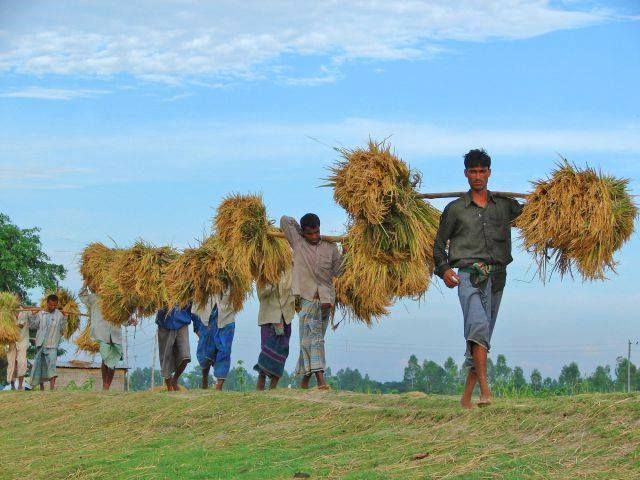
Rice as the Staple Crop – Integral to Assamese cuisine and culture.
🛢️
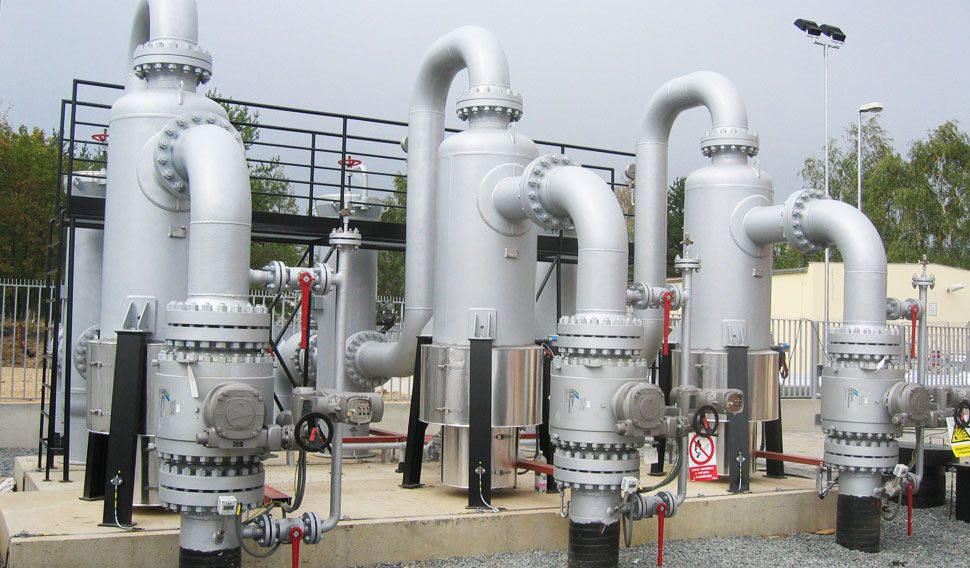
Oil & Natural Gas Industry – Birthplace of India’s petroleum sector.
🐛
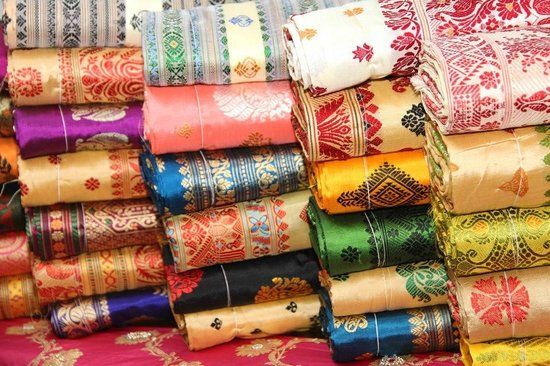
Assam Silk (Muga & Eri) – Globally renowned traditional textiles.
🌏
Tourism & Handicrafts – Growing sectors boosting local livelihoods.
🌿
Agriculture-Driven Society – Over 70% of people engaged in farming.
Tea – Assam’s Green Gold
Tea is not just a crop in Assam—it is a symbol of its identity and global recognition. Covering vast estates across the Brahmaputra Valley, Assam produces more than half of India’s total tea output. Known for its bold, malty flavor, Assam tea is cherished worldwide. The tea industry also provides direct and indirect employment to millions, shaping the cultural and economic fabric of the state. For travelers, tea garden tours and heritage bungalow stays offer a chance to witness the authentic charm of plantation life while tasting Assam’s finest brews.
Agriculture – The Lifeline of Assam
Agriculture remains the foundation of Assam’s economy, with rice as the staple crop grown across fertile floodplains. Farmers also cultivate maize, mustard, jute, and pulses, while horticulture products like bananas, oranges, and pineapples add variety. Assam’s climate and soil make it a natural hub for organic farming and traditional agricultural practices. Beyond food, agriculture is tied to Assamese festivals like Bihu, where harvest celebrations reflect gratitude to nature. Experiencing rural Assam offers travelers an authentic glimpse into farming life and its cultural significance.
Oil, Natural Gas & Minerals
Assam holds a special place in India’s industrial history as the site of the country’s first oil well in Digboi. Today, the state continues to play a vital role in India’s energy sector, with crude oil, natural gas, and coal contributing significantly to the economy. While agriculture remains primary, the oil and gas industry provides revenue, infrastructure, and employment opportunities. For visitors, sites like Digboi not only highlight Assam’s industrial heritage but also showcase the balance between tradition and modernity.
Assam Silk – Weaving Heritage & Economy
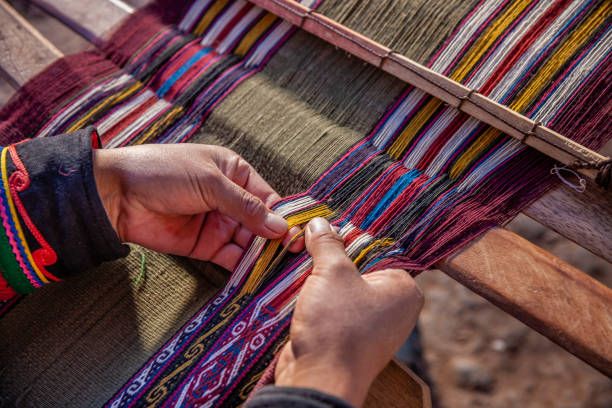
Another pride of Assam’s economy is its silk industry, particularly Muga silk, unique to the state and prized for its natural golden luster. Along with Eri and Pat silk, Assam textiles are woven into traditional attire like mekhela chador, carrying deep cultural meaning. Weaving is often done by women in rural households, blending livelihood with heritage. The silk industry supports thousands of families while preserving traditions that date back centuries. Travelers can explore weaving villages, witness artisans at work, and even take home authentic Assamese textiles.
Tourism & Handicrafts – Emerging Strengths
Tourism is fast emerging as a key contributor to Assam’s economy. From wildlife safaris in Kaziranga to spiritual tourism in Hajo and Majuli, travelers are discovering the state’s authentic charm. Alongside tourism, traditional handicrafts like bamboo, cane, pottery, and bell-metal works provide both livelihood and cultural preservation. These sectors not only support rural communities but also offer travelers a chance to connect with Assamese culture through authentic experiences and local products.
FAQs about Economy & Agriculture of Assam
Q1. What is the main economic activity in Assam?
Agriculture is the backbone, with tea, rice, and horticulture as key contributors.
Q2. Why is Assam famous for tea?
Assam produces bold, malty teas on a large scale, making it the largest tea-producing region in India.
Q3. Apart from agriculture, what drives Assam’s economy?
Oil, natural gas, silk, tourism, and handicrafts also play major roles.
Q4. What is special about Assam’s silk?
Muga silk, unique to Assam, is known worldwide for its golden sheen and durability, making it highly valued.
Q5. How is tourism linked to Assam’s economy?
Tourism promotes local employment, handicrafts, and cultural preservation, boosting rural and urban livelihoods.
Q6. Is agriculture still relevant in modern Assam?
Yes, agriculture employs over 70% of the population and remains central to food, culture, and traditions.
The economy and agriculture of Assam are more than statistics—they are living traditions that define its people and culture.
From the rolling tea gardens and golden silk weaves to the rice fields and oil heritage, Assam presents a unique blend of tradition and growth. For travelers, exploring these facets means going beyond sightseeing and connecting with the authentic heartbeat of the state.
🌾 Plan Your Assam Living Economy Journey