
Wildlife of Assam – Where Nature Still Reigns
Assam, the green gateway to Northeast India, is a treasure trove of wildlife and biodiversity. Nestled along the mighty Brahmaputra River, this state is home to lush forests, wetlands, and grasslands that support some of the most iconic species in the world. The famed one-horned rhinoceros, elusive Bengal tiger, and migratory birds all thrive here, making Assam a haven for nature lovers and eco-travelers. Beyond its wildlife, Assam’s natural landscapes form an integral part of Assamese culture, traditions, and travel experiences. Exploring Assam’s national parks and sanctuaries means stepping into a world where nature still reigns supreme.
Highlights of Assam’s Wildlife
🦏
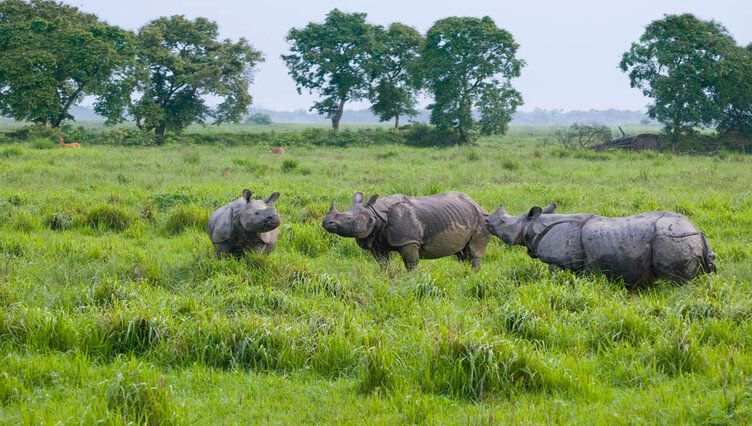
Home to the Great Indian One-Horned Rhinoceros
🐅
Protected Habitats of Bengal Tigers and Leopards
🐘
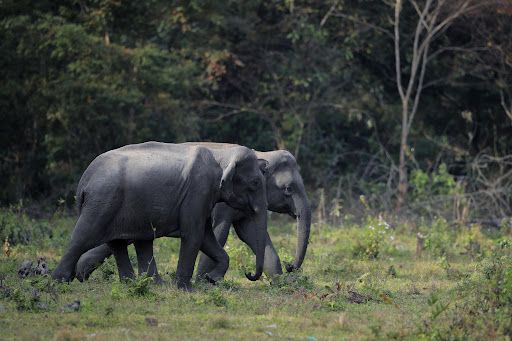
Elephant Corridors and Wild Buffalo Herds
🦜
Birdwatcher’s Paradise with 900+ species
🌿
UNESCO World Heritage National Parks
🚣
Riverine Ecosystems along the Brahmaputra
Kaziranga National Park – The Pride of Assam
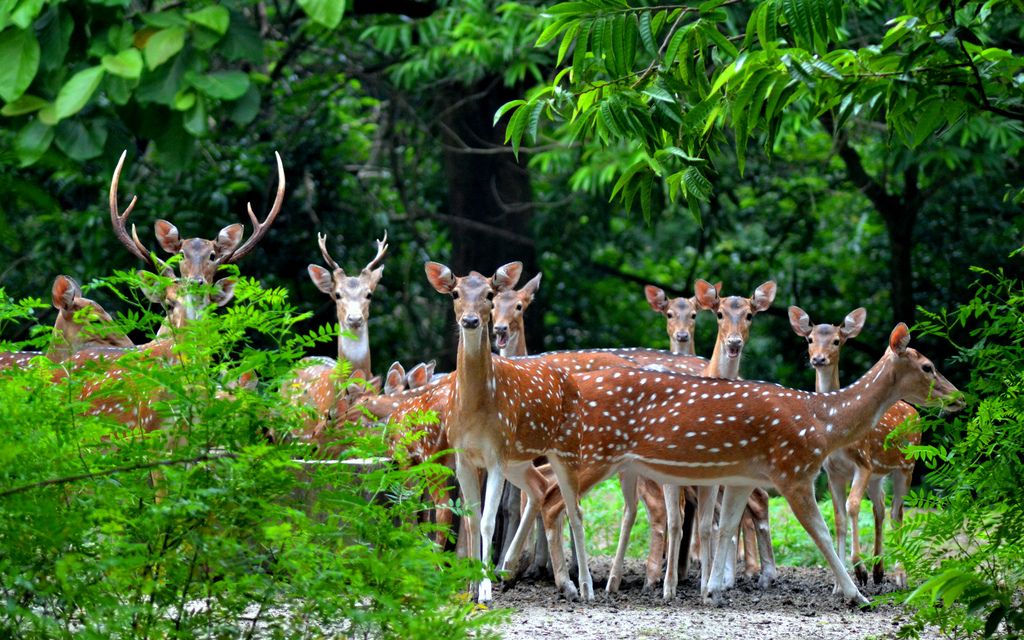
Kaziranga, a UNESCO World Heritage Site, is globally renowned for its population of the Great Indian One-Horned Rhinoceros. Sprawling across grasslands and wetlands, the park also shelters elephants, swamp deer, wild buffalo, and a significant population of tigers. Jeep and elephant safaris allow travelers to witness these majestic creatures in their natural habitat. Beyond wildlife, Kaziranga reflects Assamese pride and plays a vital role in conservation, drawing eco-tourists from around the world. For anyone visiting Assam, a trip to Kaziranga is an unforgettable experience.
Manas National Park – Wilderness & World Heritage
Another jewel of Assam, Manas National Park is both a Tiger Reserve and a UNESCO World Heritage Site. Nestled along the Bhutanese border, it combines scenic beauty with remarkable biodiversity. Rare species such as the golden langur, pygmy hog, and clouded leopard find refuge here. The park’s riverine landscape, with clear streams and forests, offers a serene yet adventurous travel experience. Manas is also deeply tied to local Bodo culture, blending wildlife conservation with community involvement.
Dibru-Saikhowa & Nameri – Birdwatcher’s Delight
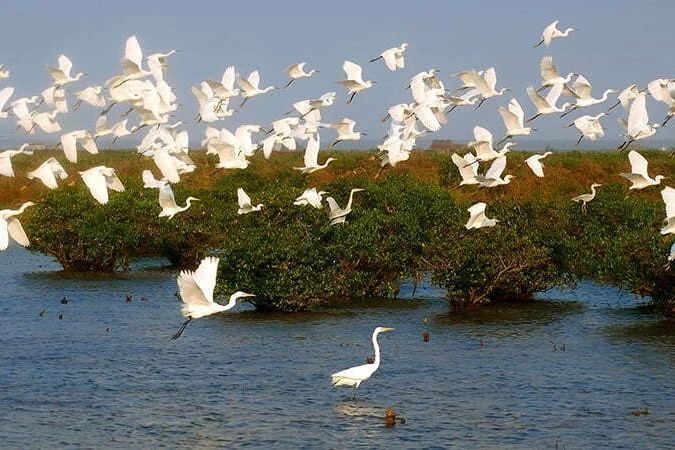
For bird enthusiasts, Assam offers unmatched opportunities. Dibru-Saikhowa National Park, with its riverine wetlands, attracts migratory birds such as the rare white-winged wood duck and the Bengal florican. Nameri National Park, located in the foothills of the Himalayas, combines river rafting with birdwatching experiences. Together, these sanctuaries highlight Assam’s significance as one of the richest birding regions in India. Travelers looking for eco-tourism and soft adventure will find these parks particularly rewarding.
Orang & Pobitora – Hidden Wildlife Gems
Often called “Mini Kaziranga,” Pobitora Wildlife Sanctuary boasts a dense population of one-horned rhinos in a compact area, offering excellent sightings. Orang National Park, located on the Brahmaputra’s northern bank, is smaller but equally rich in wildlife, with rhinos, wild boars, and migratory birds. These hidden gems are less crowded, making them ideal for travelers who want a more intimate connection with Assam’s biodiversity while avoiding heavy tourist footfall.
Assam’s Ecological Importance
Assam’s biodiversity is not only a matter of pride but also of global importance. Its forests and wetlands support endangered species, regulate the Brahmaputra’s ecosystem, and provide livelihoods for local communities. Conservation programs and eco-tourism initiatives help sustain this delicate balance. For travelers, exploring Assam’s natural wealth also means supporting authentic, responsible tourism that preserves traditions and protects the environment for generations to come.
FAQs about Wildlife & Biodiversity in Assam
Q1. What is Assam famous for in terms of wildlife?
Assam is best known for the one-horned rhinoceros, Bengal tigers, elephants, and its rich birdlife.
Q2. Which national parks should I visit in Assam?
Kaziranga, Manas, Nameri, Dibru-Saikhowa, Pobitora, and Orang are the top wildlife destinations.
Q3. When is the best time to visit Assam’s national parks?
November to April is ideal, as the parks remain closed during monsoons (May–October).
Q4. Is Assam suitable for birdwatching tourism?
Yes, with over 900 bird species, Assam is a paradise for birdwatchers, especially in Nameri and Dibru-Saikhowa.
Q5. Can I stay inside or near the national parks?
Yes, eco-lodges, forest rest houses, and homestays are available around most major parks, offering authentic Assamese hospitality.
Q6. How does Assamese culture connect with wildlife?
From folk songs celebrating rivers and forests to sustainable farming practices, Assamese traditions are deeply rooted in harmony with nature.
Assam’s wildlife and biodiversity make it one of the most enchanting destinations in India.
From iconic rhinos in Kaziranga to rare birds in Nameri and elephants in Manas, every journey here is a chance to connect with nature’s wonders. For travelers, Assam offers not just safaris and scenic beauty but also authentic cultural experiences tied to its landscapes.
🐘 Plan Your Assam Wildlife Journey