
The Story of Assam Tea – Where Mist Meets Leaf
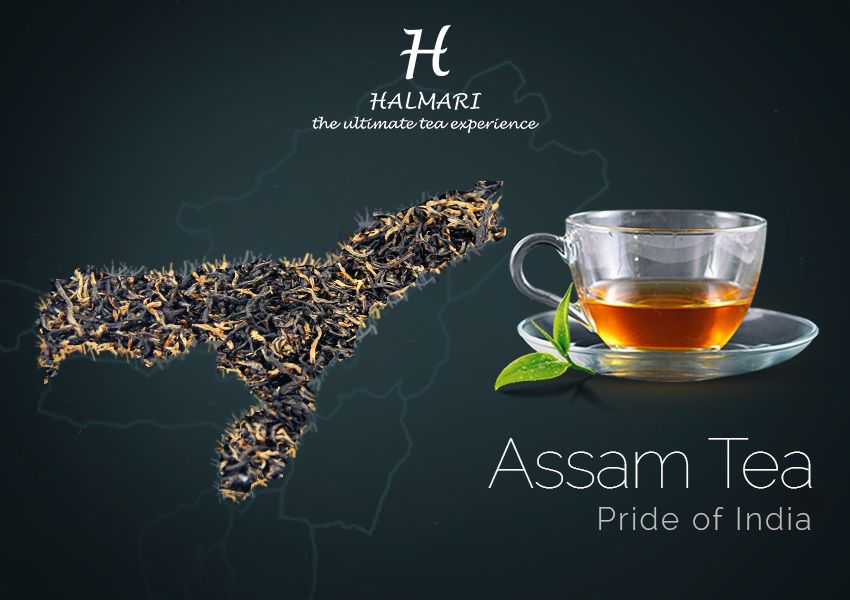
Assam is synonymous with tea. Known worldwide for its strong, malty flavor and rich aroma, Assam Tea is one of India’s most celebrated exports. Stretching across lush valleys and rolling hills of Northeast India, the tea industry of Assam is both a cultural emblem and an economic powerhouse. It represents centuries of tradition, colonial history, and the resilience of local communities. For travelers, visiting Assam’s tea gardens offers more than a sip of authentic flavor—it’s a chance to witness heritage, interact with plantation life, and understand why Assam is called the Tea Capital of the World.
Highlights of the Tea Industry of Assam
🌱
World’s Largest Tea-Producing Region – Assam leads global tea production.
🍵
Unique Flavors – Strong, malty, and brisk Assam teas loved worldwide.
🏞️
Tea Garden Tourism – Plantation visits, heritage bungalows, and tea tastings.
📜
Colonial Legacy – Tea industry roots in the 19th-century British era.
👩🌾
Cultural Identity – Tea garden communities enrich Assam’s traditions.
🌏
Global Reach – Assam tea exported and cherished internationally.
The History of Assam Tea
The story of Assam tea began in the early 19th century when the British discovered wild tea plants in the region. This discovery revolutionized global tea trade, as Assam became the first region outside China to produce tea commercially. By the mid-1800s, vast plantations were established, and Assam emerged as the backbone of India’s tea exports. While the industry has colonial roots, today it reflects Assamese resilience, with local farmers and workers shaping its growth. Exploring this history helps travelers appreciate not just the beverage, but the legacy behind every cup of Assam tea.
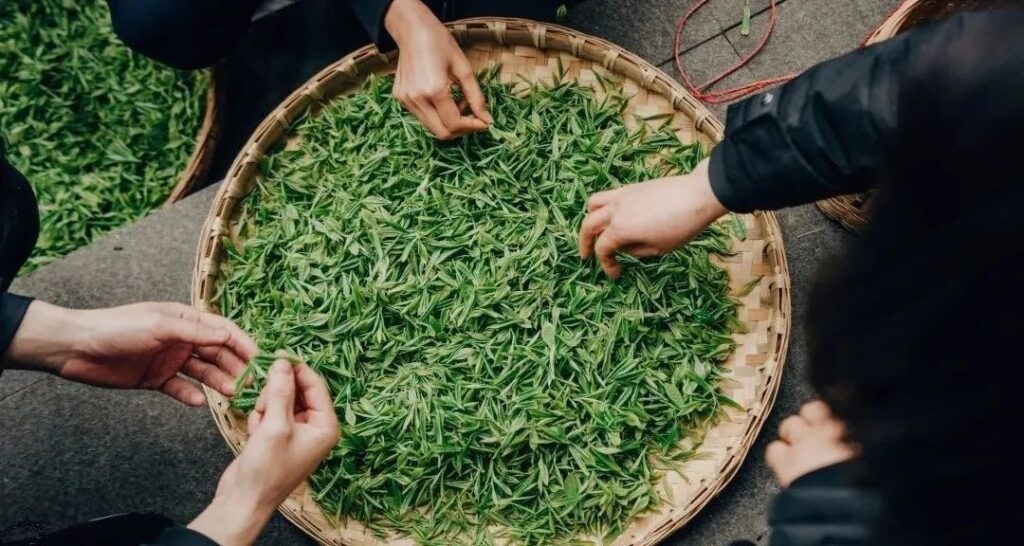
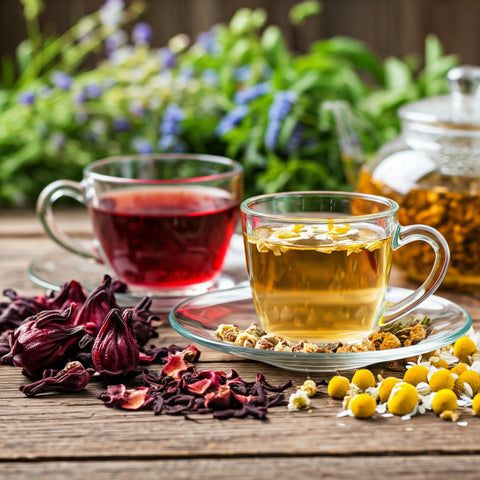
Unique Flavor & Varieties
Assam’s geography plays a key role in its distinct tea. The fertile plains of the Brahmaputra, abundant rainfall, and warm climate create ideal conditions for tea cultivation. The result is a robust, malty flavor profile that stands out in global markets. Assam is known for both CTC (Crush-Tear-Curl) teas, commonly used in strong brews like Indian chai, and orthodox teas, prized for their nuanced aroma and flavor. Whether you enjoy a brisk morning cup or a rich afternoon brew, Assam tea offers something for every palate.
Life in the Tea Gardens
Behind the sprawling green landscapes are vibrant communities that keep Assam’s tea industry alive. Tea garden workers, many descendants of communities brought during the colonial era, contribute not only labor but also cultural richness. Their traditions, festivals, and folk songs form an essential part of Assamese identity. Travelers can visit these plantations, stay in heritage tea bungalows, and interact with workers to experience the authentic rhythm of plantation life. This human connection makes Assam’s tea culture as meaningful as its flavor.
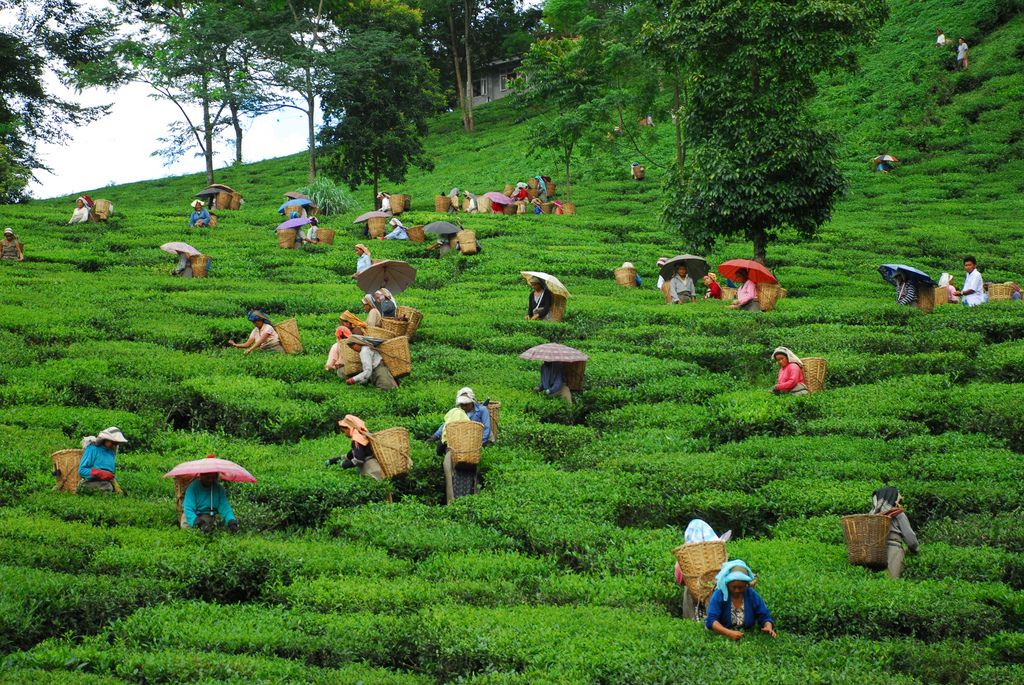
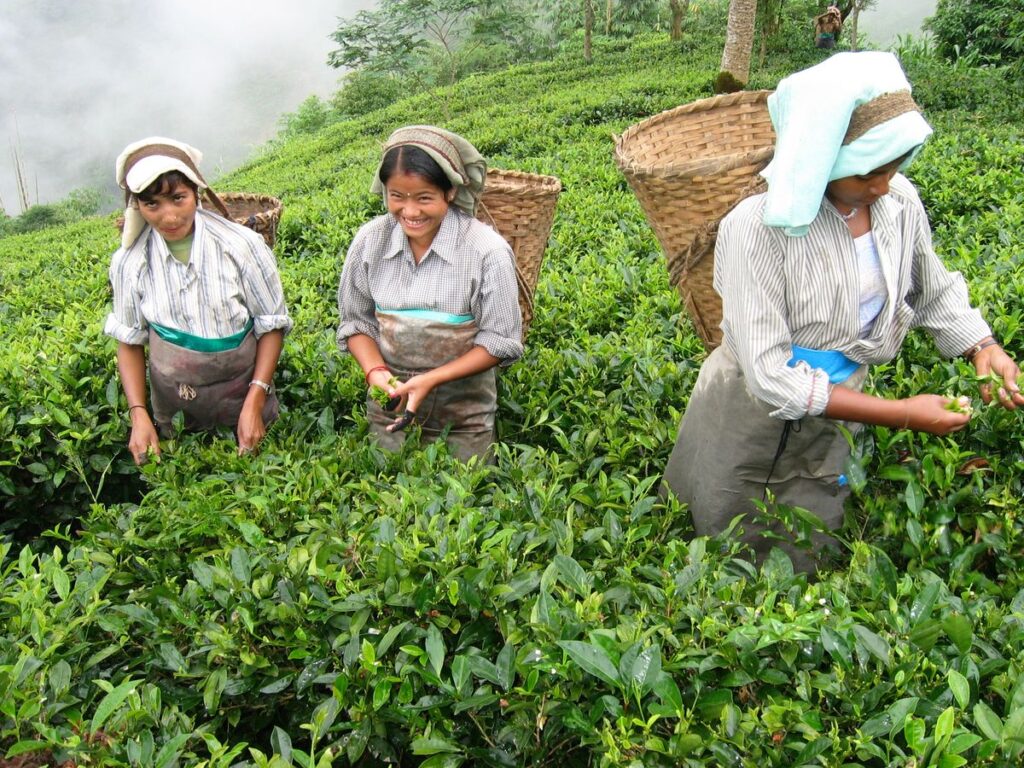
Tea Tourism in Assam
Tea tourism is gaining popularity, offering travelers immersive experiences in the world of Assam tea. Visitors can walk through lush gardens, learn about plucking and processing, and taste freshly brewed teas. Many estates now offer stays in heritage bungalows, blending colonial charm with Assamese hospitality. Guided tours often include traditional meals, cultural performances, and even workshops on tea tasting. For those seeking authentic travel experiences in Northeast India, tea tourism combines history, culture, and flavor into one unforgettable journey.
Global Significance of Assam Tea
Assam produces nearly half of India’s total tea output, making it a global leader. Its teas are exported to countries like the UK, USA, and Russia, where the bold flavors are cherished. Assam’s role in the international tea market also highlights the importance of sustainable farming and fair trade practices. As awareness grows, more estates are focusing on organic cultivation and eco-friendly tourism, ensuring that Assam tea continues to thrive for future generations.
FAQs about the Tea Industry of Assam
Q1. Why is Assam famous for tea?
Assam’s climate and geography create bold, malty flavors that make its tea unique and globally popular.
Q2. When did tea cultivation start in Assam?
Commercial tea cultivation began in the 1830s during British colonial rule, making Assam a pioneer in global tea trade.
Q3. What types of tea are produced in Assam?
Assam produces CTC teas for strong brews and orthodox teas for refined flavors, both highly valued worldwide.
Q4. Can travelers visit tea estates in Assam?
Yes, many estates welcome visitors for guided tours, tea tasting, and even stays in heritage tea bungalows.
Q5. Is Assam tea only used for chai?
While CTC Assam tea is common in chai, orthodox Assam teas are enjoyed as premium black teas globally.
Q6. What is the best time to visit Assam’s tea gardens?
March to November is ideal, with the second flush (May–June) producing the most flavorful teas.
The tea industry of Assam is not just about plantations and exports—it’s about people, traditions, and an authentic cultural experience.
From the rich history of colonial trade to the vibrant communities sustaining it today, Assam’s tea story is one of heritage and pride. For travelers, a visit to Assam’s tea gardens is an opportunity to sip the world’s finest flavors while immersing in local culture.
☕ Plan Your Assam Tea Journey