
Eco-Tourism in Assam – Travel Light, Leave a Legacy
Eco-tourism in Assam is not just about travel; it’s about meaningful connections with nature, culture, and communities. Nestled in the heart of Northeast India, Assam offers an authentic blend of lush tea gardens, vibrant Assamese culture, rich biodiversity, and centuries-old traditions. From cruising along the mighty Brahmaputra River to staying in eco-friendly homestays and exploring wildlife sanctuaries, Assam promises experiences that respect the environment while supporting local communities. Responsible travel here means immersing yourself in the region’s natural beauty and cultural heritage, while leaving a positive impact.
Highlights of Eco-Tourism in Assam
🌿
Wildlife & Nature Conservation – Visit national parks like Kaziranga & Manas while supporting conservation.
🏡
Eco-Friendly Stays – Choose homestays and lodges that promote sustainability.
🚣
River & Village Life – Experience Brahmaputra cruises, traditional fishing, and rural lifestyles.
🧵
Assamese Handicrafts & Silk – Support artisans in Sualkuchi, Majuli, and tribal villages.
🍲
Authentic Assamese Cuisine – Enjoy farm-fresh meals and traditional recipes.
🎭
Cultural Immersion – Participate in local festivals, folk music, and traditional dance.
Eco-Friendly Wildlife Tourism
Assam is home to UNESCO World Heritage Sites like Kaziranga National Park and Manas National Park, where eco-tourism plays a vital role in wildlife conservation. Visitors can enjoy jeep and elephant safaris while respecting park guidelines, ensuring minimal disturbance to the animals. These sanctuaries shelter the endangered one-horned rhinoceros, elephants, swamp deer, and countless bird species. By opting for eco-certified tours, travelers actively support conservation projects and local guides, making their experience both thrilling and responsible.

Tea Gardens & Green Escapes
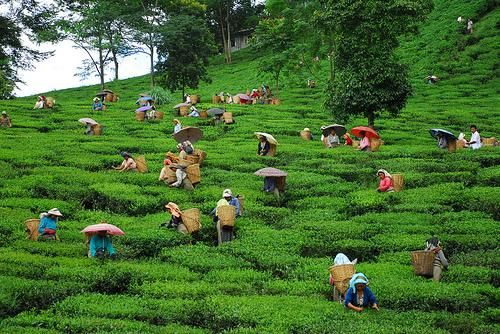
The rolling tea gardens of Assam are more than just scenic landscapes—they represent sustainable living. Many estates now offer eco-stays where travelers can participate in tea-plucking sessions, learn about organic cultivation, and explore butterfly gardens. Walking through emerald plantations, staying in colonial-era bungalows, and sipping freshly brewed Assam tea provides an authentic and eco-friendly retreat. These initiatives also generate employment for local communities and promote agro-tourism in a responsible way.
Community & Village Tourism
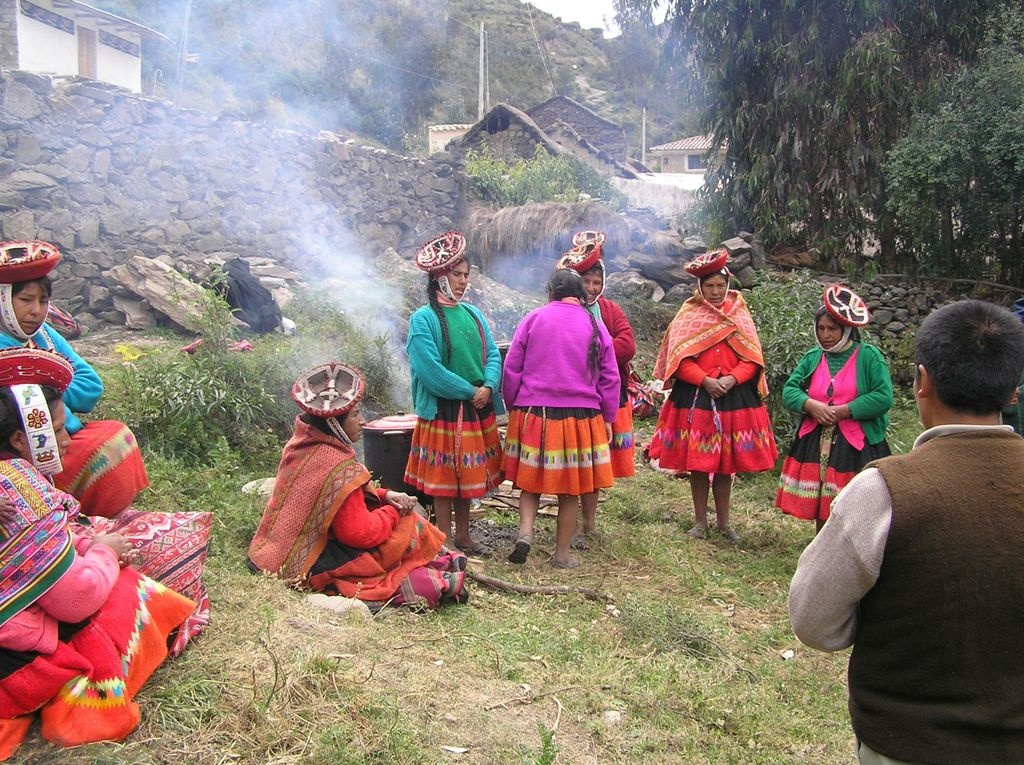
Eco-tourism in Assam thrives in its villages, where traditions remain deeply rooted. Destinations like Majuli Island, the world’s largest river island, offer cultural immersion through monastery visits, mask-making workshops, and local homestays. Guests can join farmers in rice cultivation, learn pottery, or enjoy traditional dances under starlit skies. Staying in these rural communities supports livelihoods, preserves cultural heritage, and encourages sustainable tourism practices.
River Tourism & Adventure
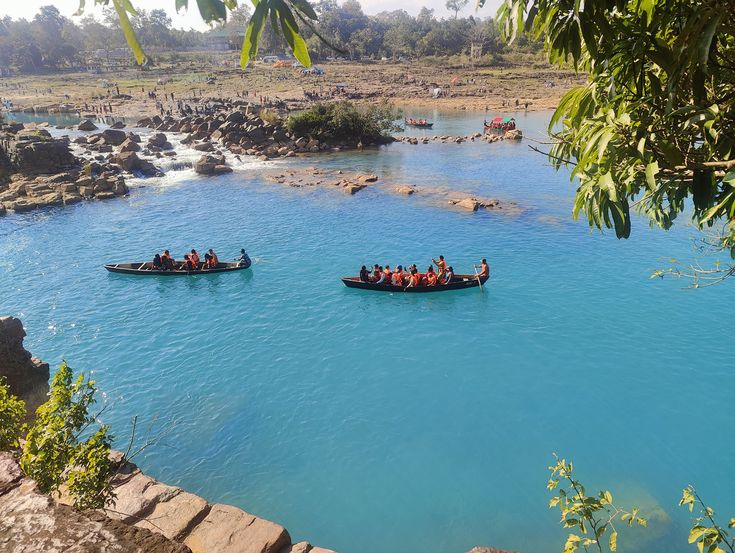
The mighty Brahmaputra River offers unique eco-adventures. Travelers can embark on low-impact cruises, go kayaking, or simply watch dolphins gliding gracefully through its waters. Fishing villages along the banks invite guests to share in their simple yet profound lifestyle. From bamboo cottages overlooking river sunsets to guided birdwatching tours, river tourism in Assam ensures travelers enjoy nature while respecting its fragile ecosystem.
Sustainable Food & Handicrafts
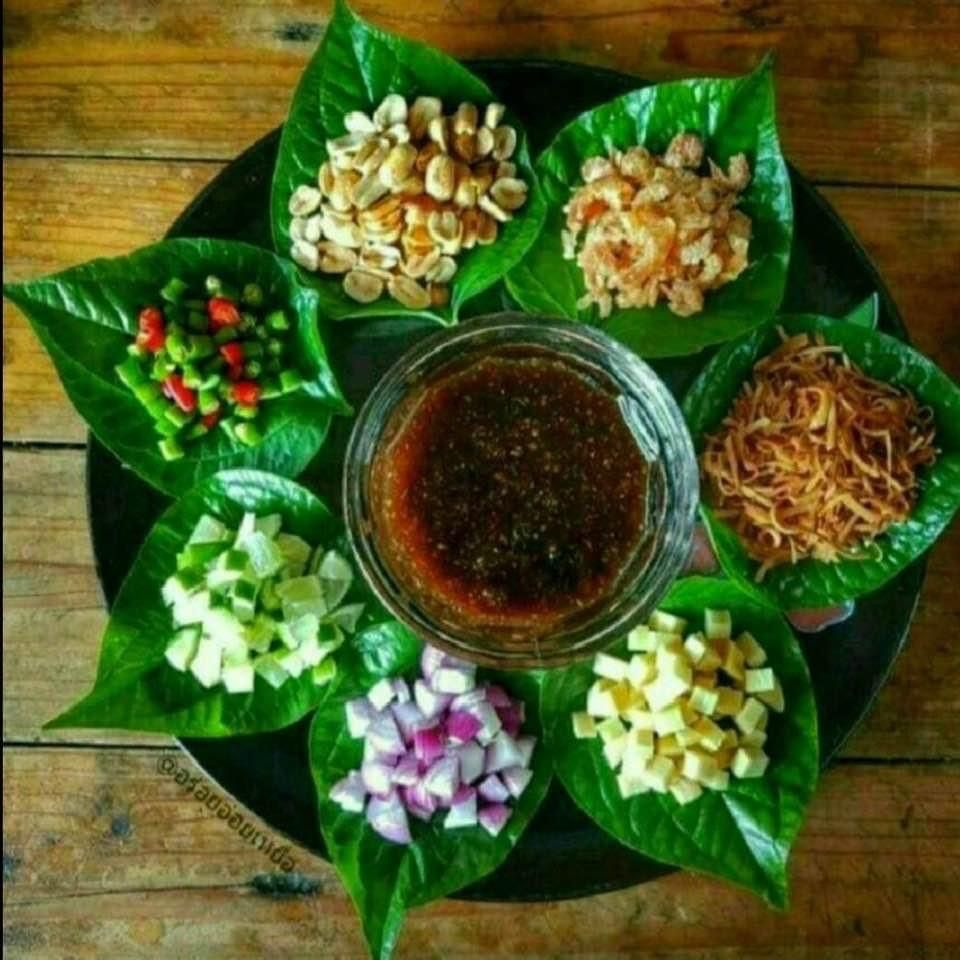
A journey through Assam is incomplete without tasting its wholesome cuisine. Dishes like khar, tenga, pitha, and smoked meats are often prepared with organic, locally sourced ingredients. Travelers can join community cooking workshops or enjoy farm-to-table meals at eco-lodges. Equally enriching is the chance to support local artisans. From golden Muga silk weaving in Sualkuchi to bamboo crafts and pottery, buying directly from artisans ensures fair trade and sustains traditional Assamese craftsmanship.
FAQs on Eco-Tourism in Assam
Q1. What makes Assam ideal for eco-tourism?
Assam combines rich biodiversity, vibrant culture, and eco-friendly travel initiatives, making it perfect for responsible tourism.
Q2. When is the best time to explore eco-tourism in Assam?
November to April is ideal, offering pleasant weather for wildlife safaris, tea garden visits, and cultural experiences.
Q3. Are eco-friendly accommodations available in Assam?
Yes, Assam offers eco-lodges, homestays, tea bungalows, and riverside cottages that follow sustainable practices.
Q4. How does eco-tourism benefit local communities?
Eco-tourism generates income, supports artisans, promotes cultural heritage, and encourages conservation in rural areas.
Q5. What activities can eco-tourists enjoy in Assam?
Travelers can explore wildlife, tea gardens, river cruises, cultural workshops, handicraft villages, and authentic Assamese cuisine.
Q6. Is eco-tourism suitable for families and solo travelers?
Absolutely! Assam’s eco-tourism experiences cater to families, couples, and solo travelers with activities for all age groups.
Eco-tourism in Assam is more than just a journey—it’s an opportunity to travel responsibly, connect deeply, and leave a positive footprint.
Whether you’re seeking wildlife encounters, cultural immersion, or tranquil escapes, Assam welcomes you with authentic experiences rooted in sustainability.
🌿 Start Your Eco Journey