
Festivals of Assam – When the Land Dances
Assam, the cultural heart of Northeast India, is known for its colorful festivals that reflect authentic Assamese traditions, food, and lifestyle. Festivals here are not just events—they are immersive experiences where locals and travelers come together to celebrate nature, spirituality, harvests, and heritage. From the lively Bihu dances to serene Majuli Ras Leela, Assam’s calendar is filled with occasions that reveal the richness of its culture and community life. Understanding the festivals calendar will help you plan your trip around these vibrant experiences, making your journey through Assam more memorable, authentic, and deeply connected to local traditions.
Highlights of Assam’s Festivals
🌸
Cultural Richness – Discover centuries-old traditions rooted in Assamese heritage.
🥁
Vibrant Performances – Folk music, dance, and colorful rituals bring each festival alive.
🍲
Authentic Cuisine – Taste traditional Assamese dishes and festive delicacies.
🕉
Spiritual Experiences – Participate in temple rituals and spiritual gatherings.
🎉
Community Celebrations – Festivals unite locals and visitors in shared joy.
📅
Year-Round Events – Something special to witness in every season.
Bihu – The Soul of Assam
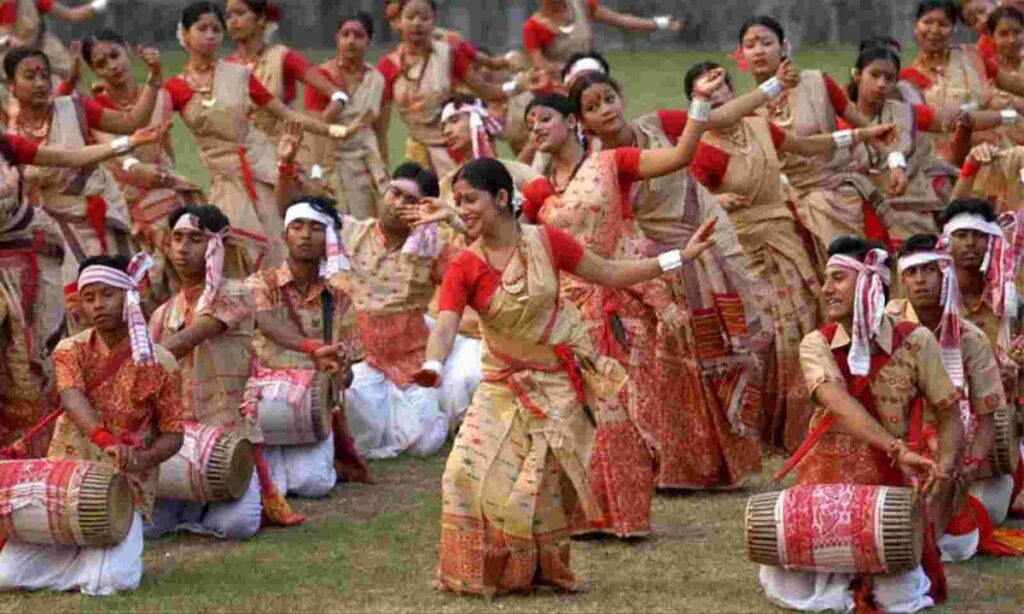
Bihu is the most important and widely celebrated festival of Assam, symbolizing the agricultural rhythm of the state. There are three Bihus—Rongali (April), Kongali (October), and Bhogali (January). Rongali Bihu, marking the Assamese New Year and spring harvest, is the most vibrant, with traditional dances, dhol beats, and feasts. Travelers can experience the joyous spirit of Assamese culture, taste pithas (rice cakes), and witness communities dressed in traditional mekhela sador. No trip to Assam is complete without celebrating at least one Bihu.
Ambubachi Mela – Spiritual Assam
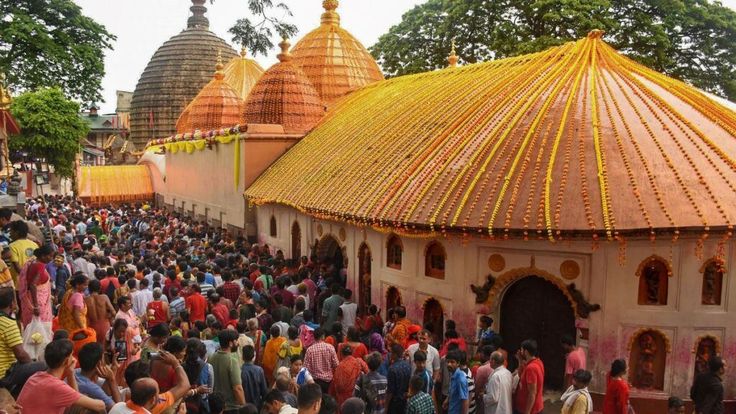
Held every year in June at Kamakhya Temple in Guwahati, Ambubachi Mela is a unique spiritual gathering. It is associated with the fertility rites of Goddess Kamakhya and attracts thousands of devotees, sadhus, and tourists from across India and abroad. The temple remains closed for three days, symbolizing the goddess’s annual menstrual cycle, and reopens with grand celebrations. This mela offers a deeply authentic spiritual experience, blending rituals, mystical traditions, and the vibrant atmosphere of one of India’s most powerful Shakti Peethas.
Majuli Raas Festival – Island of Culture
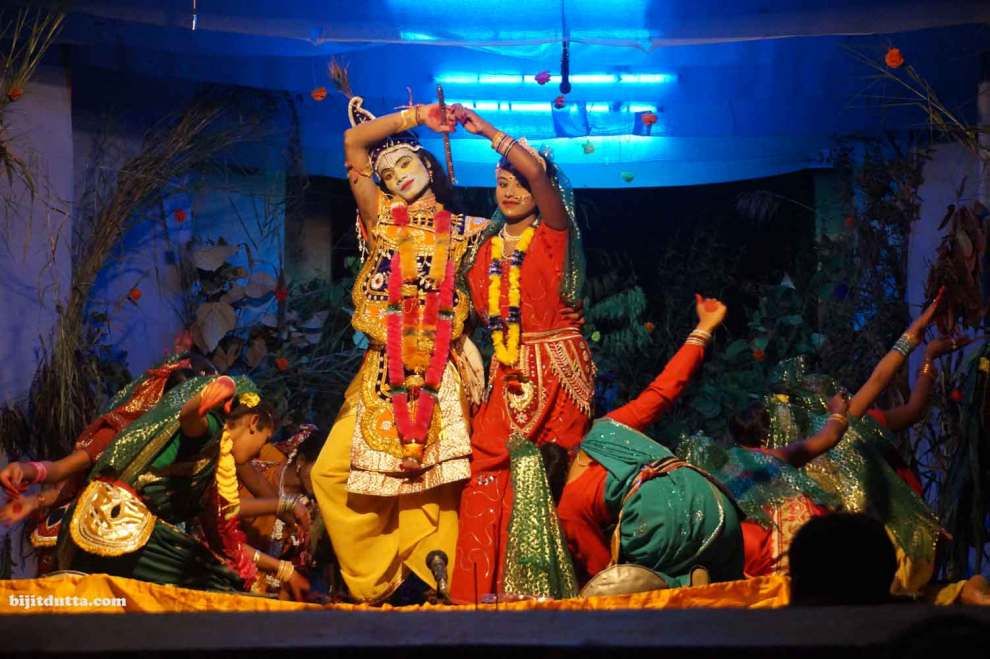
On the world’s largest river island, Majuli, the Raas Festival in November transforms the island into a cultural stage. Dedicated to Lord Krishna, the festival features traditional Bhaona performances, devotional songs, and dramatic enactments of Krishna’s life. Monasteries (Satras) come alive with colorful pageantry and community participation. For travelers seeking authenticity, Majuli’s Raas offers an immersive journey into Assamese spirituality, folk theatre, and rural life surrounded by the serene beauty of the Brahmaputra River.
Jonbeel Mela – A Market of Traditions
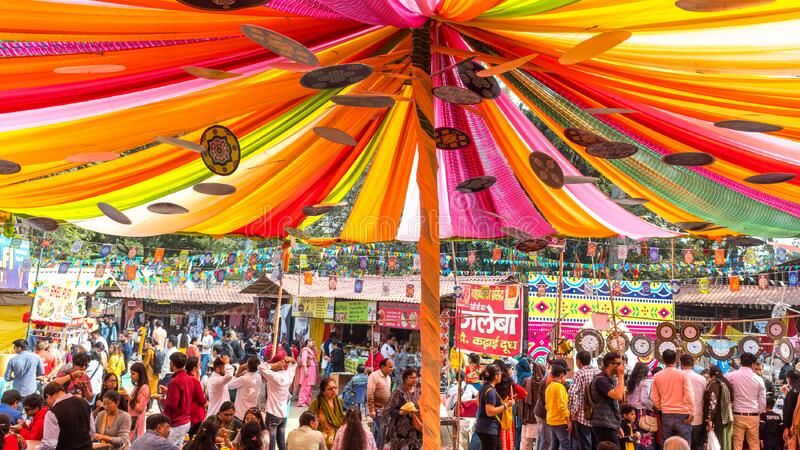
One of the most unique festivals in Assam, Jonbeel Mela, is held near Jagiroad in Morigaon district in January. This fair is known for its centuries-old practice of barter trade, where tribal communities exchange goods without money. It begins with a grand community feast and includes cultural dances, music, and traditional rituals led by the Tiwa tribe. For tourists, Jonbeel Mela offers a rare glimpse into living traditions and communal harmony that have survived modernization.
Tea Festival of Assam – Celebration of Tea Heritage
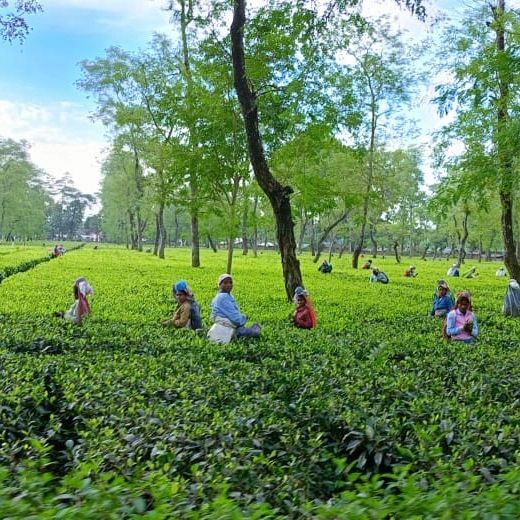
Celebrated in November–December, Assam’s Tea Festival highlights the state’s global identity as the tea capital of India. The festival is held in Jorhat, often called the Tea City of Assam. Visitors can explore lush tea gardens, witness tea-tasting sessions, and enjoy cultural evenings showcasing folk dances and local cuisine. Adventure activities such as golf, river cruises, and safaris are also part of the experience. This festival is perfect for travelers who want to explore Assam’s heritage while enjoying its natural beauty.
FAQs about Assam Festivals
Q1. When is the best time to experience festivals in Assam?
The best time is between January and April, when Bihu, Jonbeel Mela, and several cultural festivals take place, offering a lively atmosphere.
Q2. Are Assam’s festivals open to tourists?
Yes, most festivals like Bihu, Majuli Raas, and Tea Festival welcome visitors. Tourists are encouraged to participate and enjoy local hospitality.
Q3. What kind of food is served during Assamese festivals?
Traditional dishes such as pithas, larus, fish curries, rice beer, and sweets are commonly enjoyed during festivals. Each event has its own special delicacies.
Q4. Do I need to book accommodations in advance during festival seasons?
Absolutely. Popular festivals like Bihu and Ambubachi Mela attract large crowds, so advance booking ensures comfortable stays.
Q5. How do festivals reflect Assamese culture?
Assamese festivals are a blend of agricultural traditions, spirituality, music, dance, and cuisine, reflecting the region’s diverse cultural identity.
Q6. Can families with children attend Assam’s festivals?
Yes, most festivals are family-friendly. Children particularly enjoy Bihu performances, Majuli’s Raas plays, and cultural fairs.
Assam’s festivals are not just events—they are invitations to experience life, culture, and traditions in their most authentic form.
Whether you’re drawn to the spiritual energy of Ambubachi Mela, the joyous rhythms of Bihu, or the unique charm of Jonbeel Mela, planning your trip around these celebrations will make your journey truly unforgettable.
📅 Immerse Yourself in Assam